
What are the main applications of Anionic Polyacrylamide? This question often arises in industries that rely on efficient water and resource management. Anionic Polyacrylamide (APAM) is a water-soluble polymer widely recognized for its strong flocculating and thickening properties. Its anionic (negatively charged) nature allows it to interact with positively charged particles, making it useful in a variety of industrial, agricultural, and environmental processes. Understanding its applications is essential for choosing the right product and optimizing performance in specific operations.
What Is Anionic Polyacrylamide (APAM)?
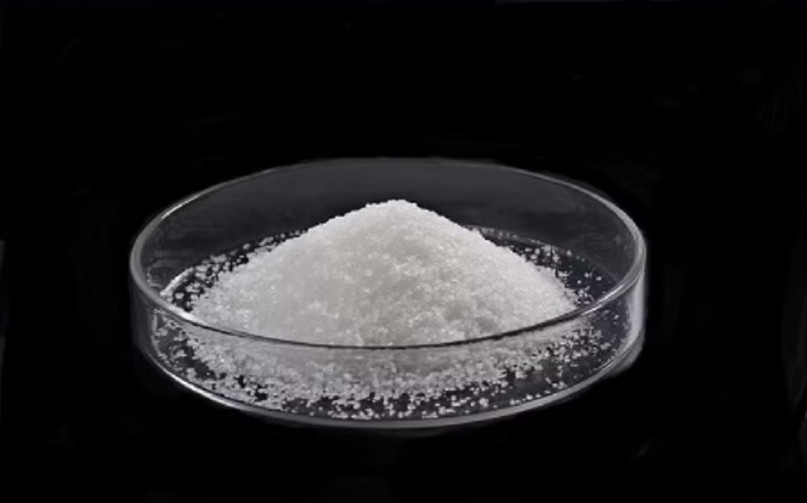
Anionic Polyacrylamide is a synthetic polymer derived from acrylamide and acrylic acid. It has long molecular chains that carry negative charges, which help it bind with positively charged particles in water or slurry.
APAM is primarily used as a flocculant, dispersant, and thickener in various industries. Depending on its molecular weight and ionic degree, it can be tailored for different functions — from clarifying wastewater to improving paper strength and assisting in mineral recovery.
What Are the Main Applications of Anionic Polyacrylamide?
The main applications of Anionic Polyacrylamide span across multiple industries. Below are the most significant ones:
1. Water and Wastewater Treatment
One of the most common applications of Anionic Polyacrylamide is in wastewater treatment. APAM acts as a flocculant, aggregating suspended solids into larger flocs that can be easily separated from water.
- Municipal Wastewater: APAM helps in removing organic matter, sludge, and colloidal impurities.
- Industrial Effluents: It is used in sectors such as textile, food processing, and chemical manufacturing to treat process water before discharge or reuse.
- Sludge Dewatering: APAM improves solid-liquid separation, reducing sludge moisture and lowering disposal costs.
By enhancing sedimentation and filtration, APAM ensures cleaner water output and contributes to sustainable environmental management.
2. Mining and Mineral Processing
Another key area in the applications of Anionic Polyacrylamide is mining. In this field, APAM plays a crucial role in separating valuable minerals from ores and clarifying process water.
- Coal Washing: It enhances fine coal recovery by improving sedimentation of coal slurry.
- Metal Mining: Used to clarify tailings water and recover minerals like copper, iron, and zinc.
- Settling and Filtration: APAM accelerates solid-liquid separation, improving water recycling efficiency.
Its high molecular weight and bridging ability make it an indispensable polymer for improving recovery rates and reducing environmental impact in mining operations.
3. Paper and Pulp Industry
In papermaking, Anionic Polyacrylamide serves multiple functions that improve both process efficiency and product quality:
- Retention Aid: It increases the retention of fibers and fillers on the paper machine, reducing raw material loss.
- Drainage Aid: APAM accelerates water removal, enhancing paper machine speed and energy savings.
- Paper Strength Agent: It improves the dry and wet strength of paper products by enhancing fiber bonding.
Using APAM in combination with other papermaking chemicals allows manufacturers to produce higher-quality paper while lowering costs and resource consumption.
4. Oil and Gas Industry
In the oil and gas sector, Anionic Polyacrylamide is used for enhanced oil recovery (EOR) and drilling fluid modification.
- Enhanced Oil Recovery: APAM increases the viscosity of injected water, improving oil displacement efficiency.
- Drilling Mud Additive: It helps control fluid loss and improves the rheology of drilling fluids.
- Fracturing Fluids: APAM assists in carrying proppants during hydraulic fracturing.
Its role in these processes contributes to maximizing yield and minimizing energy use during extraction operations.
5. Agriculture and Soil Conditioning
Agricultural applications of Anionic Polyacrylamide are becoming more common due to its ability to stabilize soil and conserve water.
- Erosion Control: APAM helps bind soil particles, reducing erosion from wind and water.
- Irrigation Efficiency: It improves water infiltration and reduces surface runoff.
- Fertilizer Retention: By minimizing leaching, APAM ensures nutrients stay available for plant roots.
These benefits make APAM an environmentally friendly solution for sustainable farming and soil management practices.
6. Textile and Dyeing Industry
In the textile industry, Anionic Polyacrylamide improves dyeing uniformity and wastewater treatment.
- Dye Wastewater Treatment: APAM removes dye particles and organic residues, leading to clearer discharge water.
- Sizing and Finishing: It enhances fiber cohesion and improves fabric smoothness.
This dual role — both in process enhancement and effluent management — makes APAM a valuable additive for textile manufacturers.
7. Construction and Building Materials
In construction, APAM is used to improve the performance of materials like concrete, mortar, and grout.
- Concrete Additive: It acts as a water reducer and improves the strength and workability of concrete.
- Tunneling and Drilling: APAM stabilizes excavation surfaces and minimizes soil loss.
- Sediment Control: Used in construction sites to control erosion and manage stormwater runoff.
Its flocculating ability ensures effective separation of fine particles, leading to cleaner work sites and improved material stability.
Environmental and Economic Advantages of Using APAM
Using Anionic Polyacrylamide across industries offers both environmental and economic benefits:
- Reduced Chemical Usage: Smaller quantities of APAM can replace multiple conventional treatment chemicals.
- Energy Savings: Faster separation processes reduce operational time and energy consumption.
- Cleaner Effluent: It enhances water reuse and compliance with environmental regulations.
- Cost Efficiency: Lower sludge disposal and improved recovery processes lead to overall cost savings.
By understanding what are the main applications of Anionic Polyacrylamide, industries can leverage these advantages to improve productivity and sustainability.
Conclusion
In summary, what are the main applications of Anionic Polyacrylamide spans a wide range — from water treatment and mining to papermaking, agriculture, and oil recovery. Its strong flocculating ability, adaptability, and environmental benefits make it one of the most versatile polymers in industrial use today.
Whether used for improving wastewater quality, enhancing mineral recovery, or stabilizing soil, Anionic Polyacrylamide continues to play a vital role in modern industry. Understanding the main applications of Anionic Polyacrylamide ensures optimal selection, efficient operations, and a cleaner, more sustainable future.