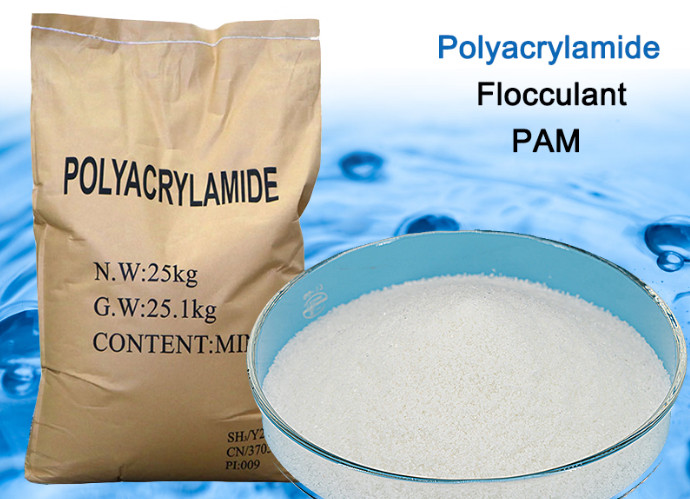
What is the molecular weight of Anionic Polyacrylamide? This question is essential for scientists, engineers, and industries that use this polymer in water treatment, mining, or paper production. The molecular weight of Anionic Polyacrylamide (APAM) determines how it behaves in solution, its viscosity, and its flocculation efficiency. Understanding this property helps optimize performance and ensures better results in various industrial applications.
What Is Anionic Polyacrylamide?
Anionic Polyacrylamide, often abbreviated as APAM, is a synthetic polymer derived from acrylamide monomers. It carries negatively charged (anionic) functional groups that make it highly effective in binding with positively charged particles in suspension. Due to this characteristic, it is widely used as a flocculant, thickener, and stabilizer in processes like wastewater treatment and sludge dewatering.
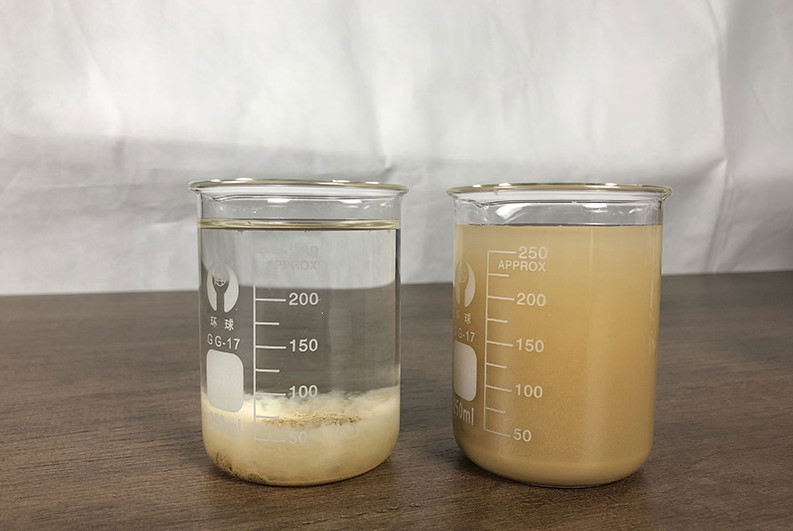
The effectiveness of APAM in these processes depends largely on its molecular structure—particularly the molecular weight. High molecular weight polymers tend to form stronger bridges between particles, leading to faster sedimentation and clearer water.
What Is the Molecular Weight of Anionic Polyacrylamide?
The molecular weight of Anionic Polyacrylamide typically ranges from 5 million to over 25 million Daltons, depending on its production method and intended application. Some specialized formulations can even reach molecular weights as high as 30 million Daltons.
This high molecular weight gives APAM its unique ability to form long chains that effectively capture suspended particles. In comparison, lower molecular weight versions are used in applications requiring less viscosity or faster dissolution rates.
Factors That Influence the Molecular Weight of APAM
Several factors affect the molecular weight of Anionic Polyacrylamide during synthesis:
- Monomer Concentration: A higher concentration of acrylamide monomers can lead to higher molecular weight polymers.
- Reaction Temperature: Lower temperatures generally favor longer polymer chains, resulting in higher molecular weight.
- pH of Reaction Medium: The pH level during polymerization affects the ionization and thus the growth of polymer chains.
- Initiator Type and Amount: The choice and quantity of initiator influence the polymerization rate and the final chain length.
- Ionic Degree (Anionicity): A higher degree of anionic charge can slightly lower the molecular weight due to electrostatic repulsion among chains.
Understanding these variables helps manufacturers produce customized APAM grades for specific industrial purposes.
How Is the Molecular Weight of Anionic Polyacrylamide Measured?
The molecular weight of Anionic Polyacrylamide can be determined through several analytical techniques:
- Viscometry: Measures the intrinsic viscosity of polymer solutions to estimate molecular weight indirectly.
- Gel Permeation Chromatography (GPC): Separates polymer molecules by size, providing detailed molecular weight distribution.
- Static Light Scattering (SLS): Determines absolute molecular weight without relying on calibration standards.
- Osmometry: Measures osmotic pressure differences but is less common for such high-molecular-weight polymers.
Each method offers different levels of accuracy, and manufacturers often use a combination to ensure consistent product quality.
Why Molecular Weight Matters in Industrial Applications
The molecular weight of Anionic Polyacrylamide directly influences its performance characteristics in real-world uses:
- Water Treatment Efficiency: Higher molecular weight APAMs form stronger flocs and improve sedimentation in wastewater treatment.
- Viscosity and Flow Behavior: High molecular weight polymers increase viscosity, which can be advantageous in thickening or stabilizing applications.
- Filtration and Dewatering: Appropriate molecular weight selection ensures faster filtration rates and reduced sludge moisture.
- Mining and Mineral Processing: In mineral separation processes, the right molecular weight ensures better particle settling and recovery efficiency.
Selecting the correct molecular weight is crucial—too high may cause slow dissolution, while too low may result in weak floc formation.
Choosing the Right Molecular Weight for Your Needs
When selecting an Anionic Polyacrylamide product, consider:
- Application Type: Water treatment, paper production, or oil recovery each require different molecular weights.
- Water Quality: High-turbidity water may need higher molecular weight polymers for efficient flocculation.
- Equipment and Mixing Conditions: The polymer must dissolve well without excessive shear that could break the chains.
Manufacturers usually provide detailed specifications, including molecular weight ranges, charge density, and recommended dosage. Consulting these details ensures optimal performance and cost efficiency.
Conclusion
In summary, understanding what is the molecular weight of Anionic Polyacrylamide is key to using it effectively in industrial applications. With molecular weights ranging from 5 to 25 million Daltons, APAM’s performance depends on its chain length and ionic properties. By selecting the right molecular weight and formulation, industries can enhance water treatment, improve efficiency, and reduce operational costs.
Whether you are involved in wastewater management, mining, or papermaking, knowing the molecular weight of Anionic Polyacrylamide allows you to make informed choices for superior results.