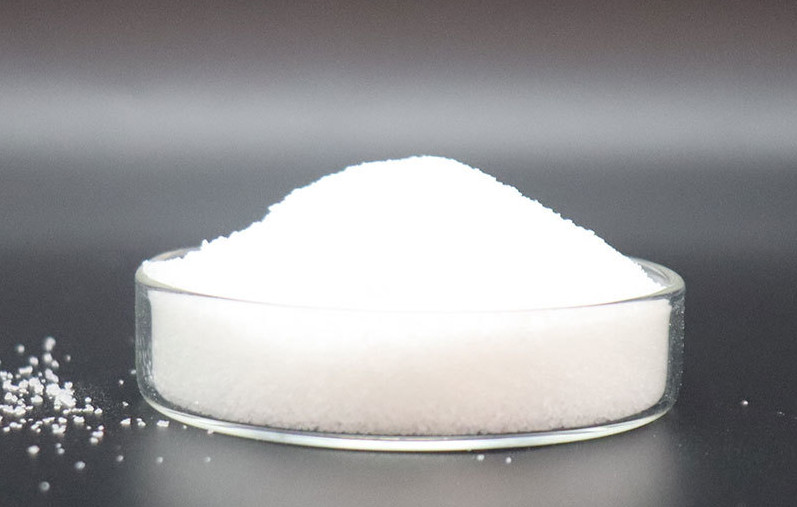
When to use Anionic Polyacrylamide in wastewater treatment is a crucial consideration for engineers and environmental managers aiming to achieve maximum efficiency in solid-liquid separation. Anionic Polyacrylamide (APAM) is widely recognized as a powerful flocculant that enhances sedimentation and filtration. However, knowing the right conditions, timing, and dosage to apply it determines whether your system performs effectively or not. Understanding when and how to use APAM can significantly improve wastewater treatment outcomes, reduce operational costs, and ensure compliance with discharge regulations.
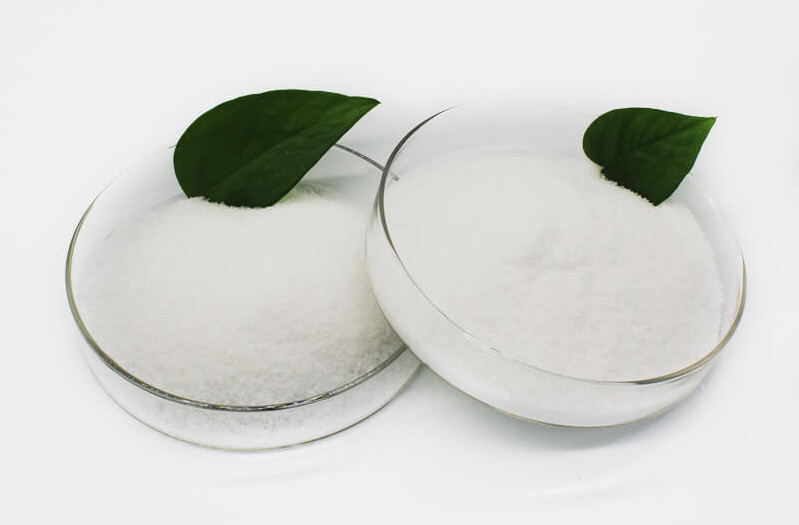
What Is Anionic Polyacrylamide and How Does It Work?
Anionic Polyacrylamide is a synthetic, water-soluble polymer containing negatively charged functional groups. These anionic charges interact with positively charged impurities such as metal ions, suspended solids, and organic compounds in wastewater.
In the treatment process, APAM works through two main mechanisms:
- Charge Neutralization: It neutralizes positive charges on suspended particles, destabilizing them.
- Polymer Bridging: The long molecular chains bind multiple particles together, forming larger, heavier flocs that can easily settle or be filtered.
Because of these characteristics, APAM plays a vital role in improving sedimentation, filtration, and sludge handling efficiency.
When to Use Anionic Polyacrylamide in Wastewater Treatment
The optimal time to use Anionic Polyacrylamide in wastewater treatment depends on several factors, including the type of wastewater, particle charge, and treatment stage. Below are the most common situations where APAM delivers the best results.
1. During the Coagulation and Flocculation Stage
The flocculation stage is one of the most effective moments to introduce APAM. After coagulants like aluminum sulfate or ferric chloride have destabilized particles, APAM is added to aggregate them into larger flocs.
- When: Immediately after coagulant dosing and gentle mixing.
- Why: APAM enhances the size, density, and strength of flocs, improving settling speed and clarity.
- Result: Faster sedimentation and reduced turbidity in clarified water.
Using APAM at this stage ensures a smooth transition from coagulation to sedimentation, reducing the load on filtration systems downstream.
2. When Treating Industrial Effluent with High Suspended Solids
Industries such as textiles, food processing, and chemicals generate wastewater rich in organic matter and fine particulates. APAM is most effective when used in these conditions because it binds fine solids that are difficult to settle naturally.
- When: Before sedimentation or filtration units.
- Why: To improve floc formation and enhance solid removal.
- Result: Cleaner effluent and reduced chemical consumption.
In high-solids effluent, using Anionic Polyacrylamide ensures stable operation, prevents clogging, and enhances downstream treatment efficiency.
3. During Sludge Thickening and Dewatering
Another critical time to use Anionic Polyacrylamide in wastewater treatment is during sludge management. APAM helps in consolidating sludge by improving water release and enhancing dewatering performance.
- When: Before mechanical dewatering equipment such as belt presses or centrifuges.
- Why: APAM increases floc size and strength, making water separation easier.
- Result: Lower sludge volume, reduced disposal costs, and drier cake solids.
This application not only cuts transportation expenses but also minimizes the environmental impact of sludge disposal.
4. When Treating Wastewater with Positive or Neutral Charge
Since Anionic Polyacrylamide carries a negative charge, it works best on wastewater containing positively charged particles. Such water often comes from sources with high metal or organic content.
- When: In effluents rich in calcium, magnesium, or iron compounds.
- Why: The opposite charges promote strong electrostatic attraction and floc formation.
- Result: Faster particle aggregation and improved clarity.
If the wastewater is acidic or contains positively charged ions, the use of APAM ensures optimal interaction and sedimentation.
5. When You Need to Replace or Reduce Inorganic Coagulants
Traditional coagulants like alum or ferric chloride can increase sludge volume and alter pH levels. In such cases, APAM serves as an eco-friendly and cost-effective alternative.
- When: When the system experiences high sludge production or chemical imbalance.
- Why: APAM works efficiently at lower dosages and minimizes sludge formation.
- Result: Reduced operational costs and less chemical waste.
Using APAM as a replacement or supplement reduces the environmental footprint while maintaining treatment quality.
6. When Managing Variable Wastewater Quality
Industrial wastewater often fluctuates in composition depending on production cycles. APAM’s adaptability makes it ideal for handling variable loads.
- When: During sudden changes in flow rate, pH, or suspended solids.
- Why: APAM maintains consistent performance across different water qualities.
- Result: Stable treatment efficiency even under fluctuating conditions.
This flexibility ensures reliable operation and consistent effluent quality throughout the treatment process.
Best Practices for Using Anionic Polyacrylamide
To achieve the best performance, certain operational practices should be followed when applying APAM:
- Optimize Dosage: Start with jar tests to determine the correct polymer concentration. Overdosing can cause restabilization of particles.
- Adjust pH: APAM works best in neutral to slightly alkaline conditions (pH 6–9).
- Ensure Proper Mixing: Gentle but uniform mixing prevents polymer degradation.
- Avoid Contamination: Store APAM solutions away from direct sunlight and strong acids.
- Combine Wisely: Use APAM in sequence with inorganic coagulants for enhanced floc strength.
Following these steps helps maximize polymer efficiency and maintain system stability.
Advantages of Using Anionic Polyacrylamide at the Right Time
Using APAM at the appropriate treatment stage offers several operational and environmental benefits:
- Higher Flocculation Efficiency: Rapid solid-liquid separation.
- Improved Water Quality: Clearer effluent and lower turbidity.
- Reduced Chemical Costs: Lower dosage compared to traditional agents.
- Less Sludge Generation: Easier handling and lower disposal expenses.
- Energy Efficiency: Faster settling and dewatering reduce process time.
Timely application ensures the system operates smoothly and sustainably.
Conclusion
In conclusion, understanding when to use Anionic Polyacrylamide in wastewater treatment is key to achieving optimal results. The best times to apply APAM include during flocculation, sludge dewatering, and when treating positively charged or high-solid effluents. Its versatility allows it to replace traditional coagulants while enhancing treatment performance and environmental sustainability.
By identifying the right application stage and maintaining proper dosing and conditions, you can fully harness the advantages of this powerful polymer. Mastering when to use Anionic Polyacrylamide in wastewater treatment ensures cleaner water, efficient operations, and long-term cost savings.