
Buyer and operator library
Anionic Polyacrylamide Technical Notes
APAM guides for product definition, industrial uses, ionic comparison, powder dissolution, dosage, molecular selection, mining and supplier evaluation.
Send a process brief →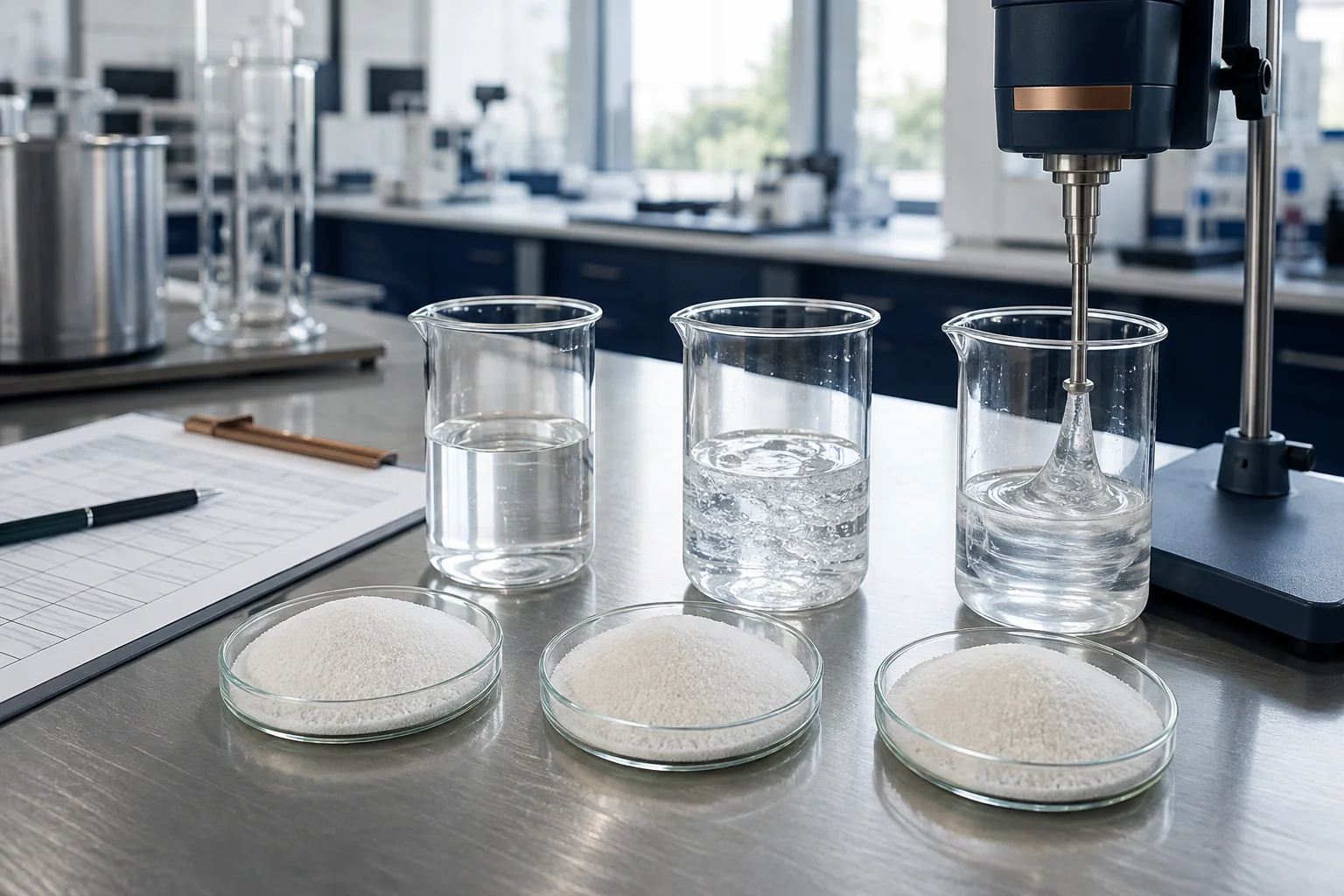
What Is Anionic Polyacrylamide?
Understand anionic polyacrylamide chemistry, product form, charge, molecular size, flocculation mechanism, limits and the data needed for selection.
Open field note →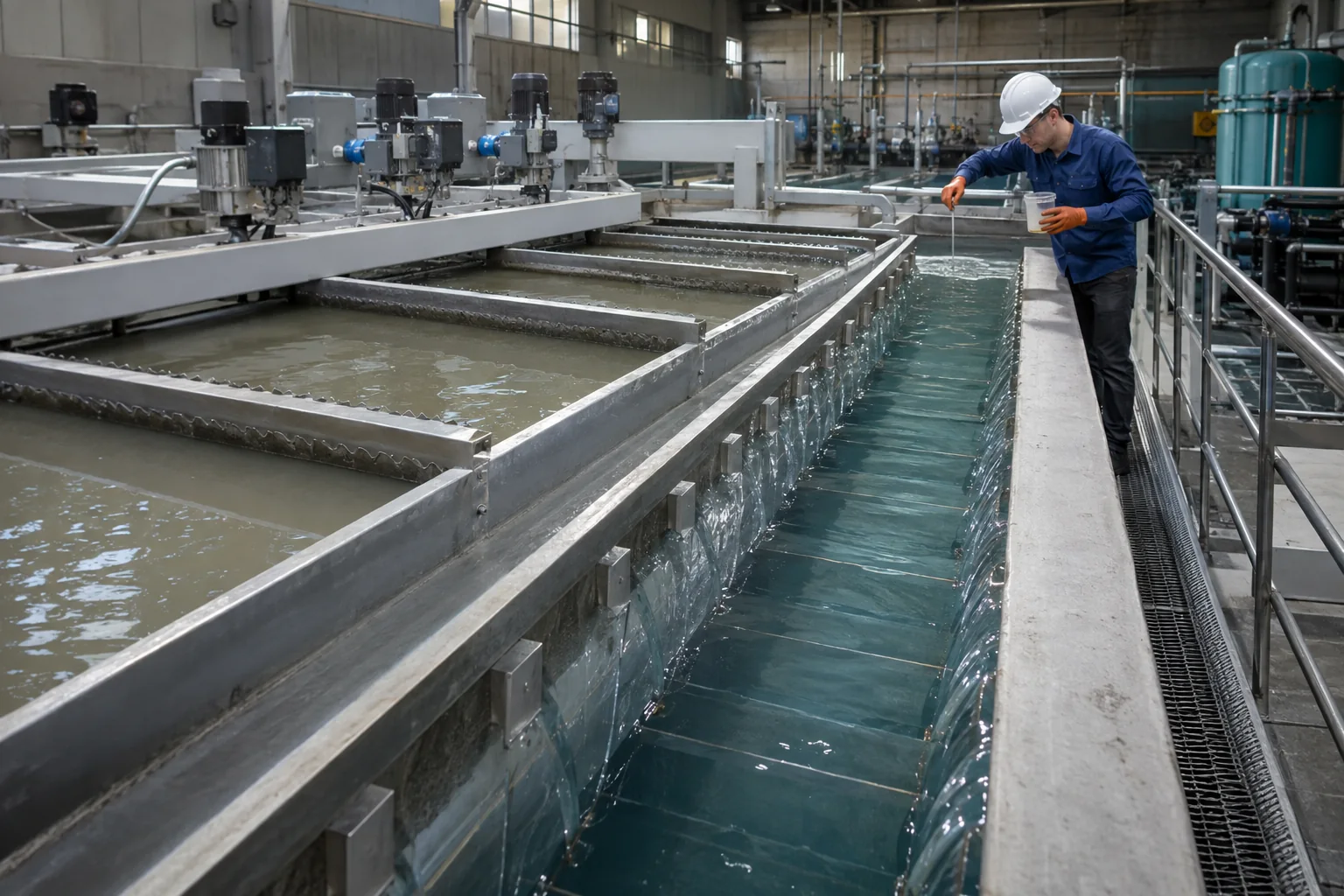
Anionic Polyacrylamide Uses by Separation Process
Review anionic polyacrylamide uses in clarification, thickening, filtration, mining and sand washing with the correct selection and trial endpoints.
Open field note →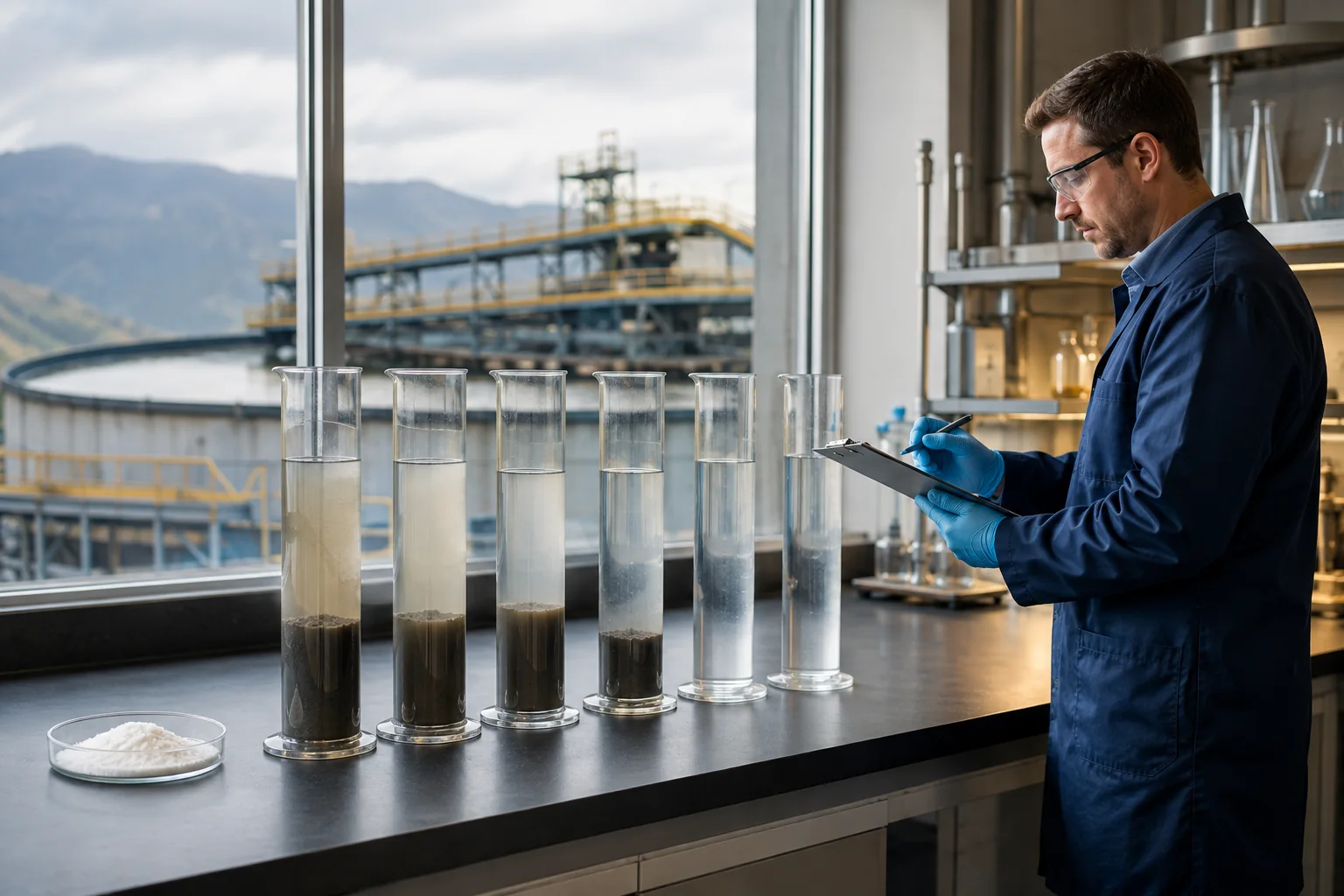
Anionic vs Cationic Polyacrylamide: Which Charge Fits?
Compare anionic and cationic polyacrylamide by solids, water chemistry, coagulation, equipment, dose basis and trial evidence instead of industry labels.
Open field note →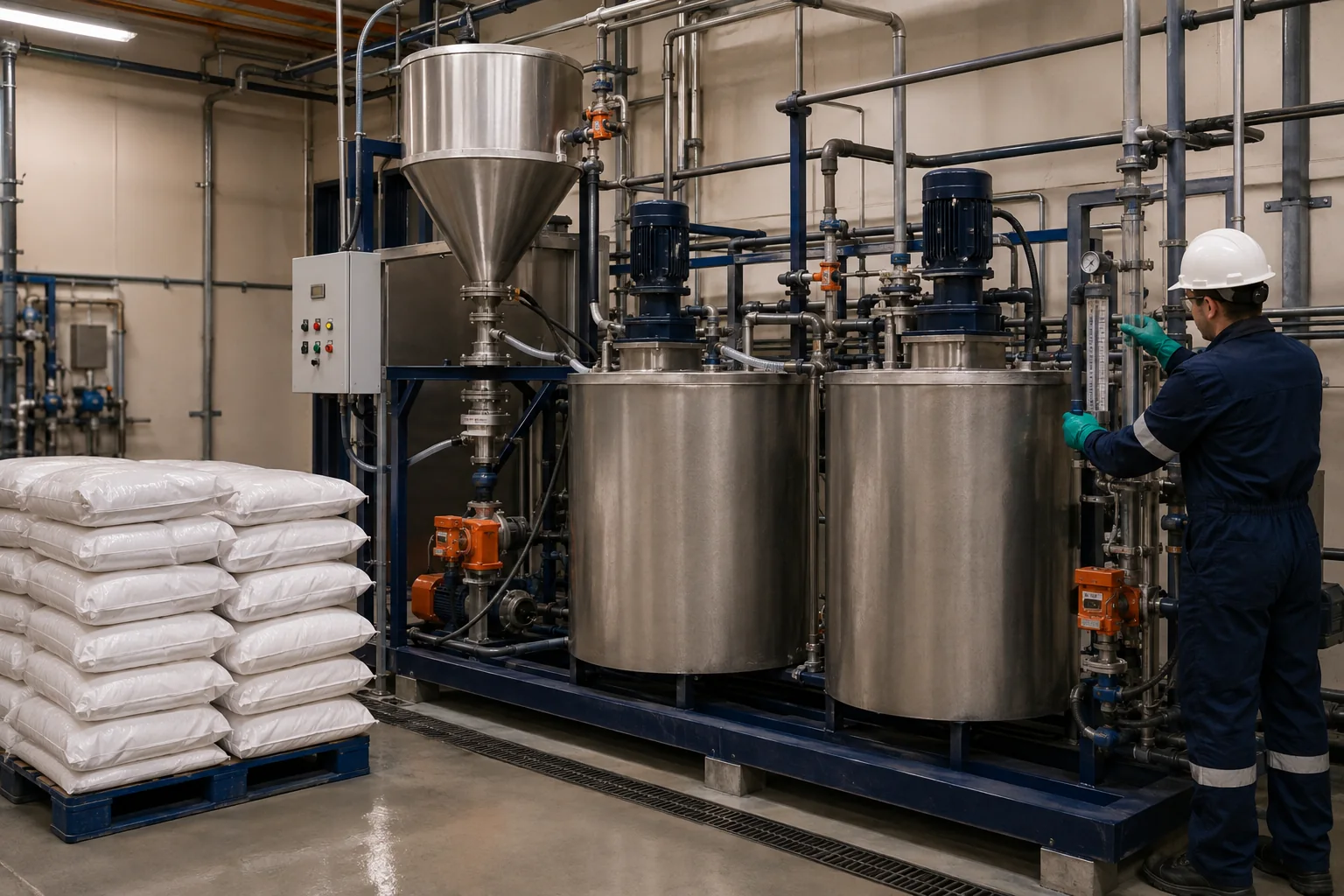
How to Dissolve Anionic Polyacrylamide Powder
Prepare APAM powder with controlled water, induction, concentration, mixing, hydration and storage while preventing fisheyes and chain damage.
Open field note →Anionic Polyacrylamide Dosage and Jar-Test Method
Find an APAM dose with representative sampling, consistent stock, active-mass calculation, controlled mixing and measurable separator endpoints.
Open field note →APAM Molecular Weight and Hydrolysis Degree Selection
Interpret APAM molecular weight and hydrolysis or anionic character without treating either specification as a universal performance ranking.
Open field note →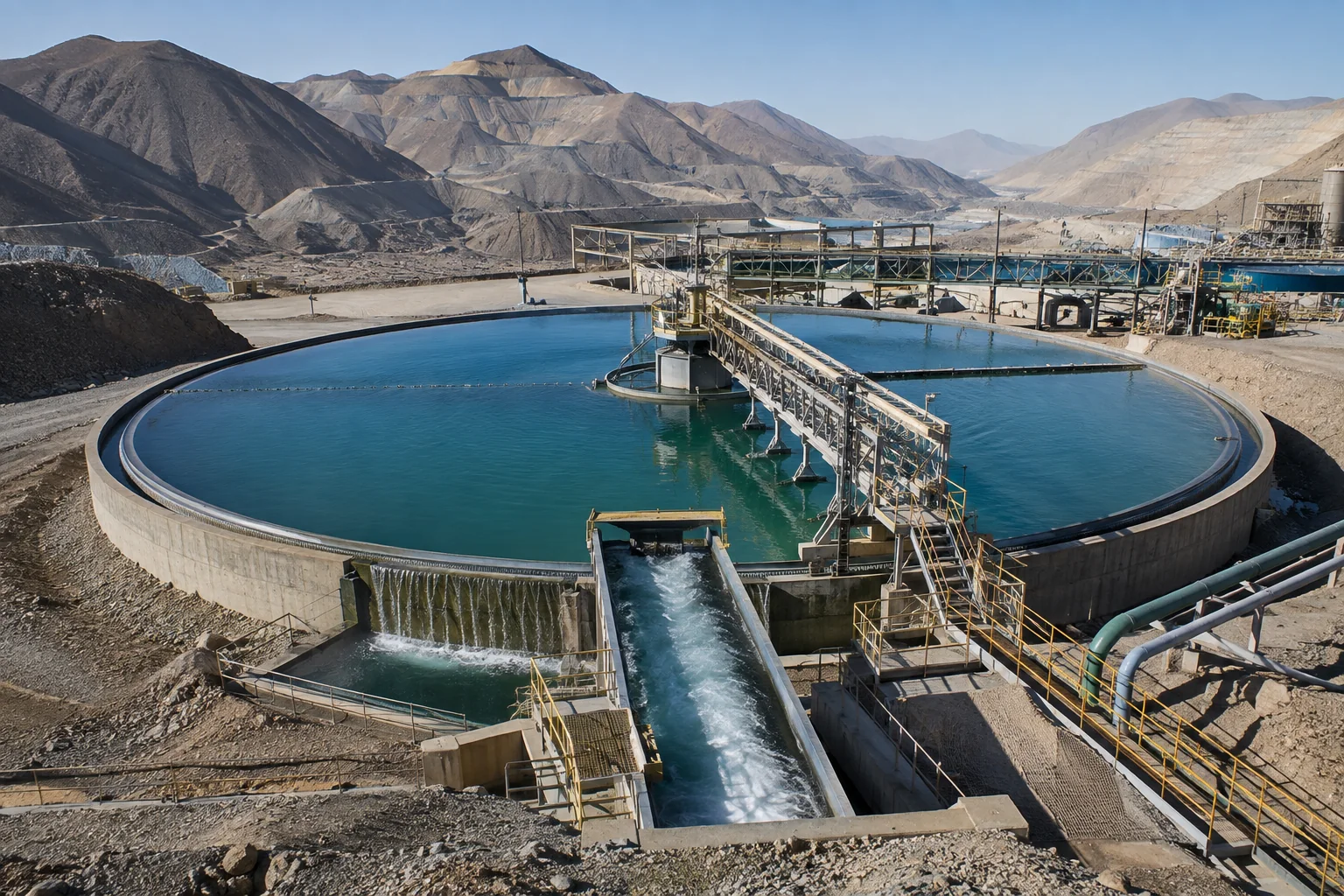
APAM for Mining Tailings Thickener Performance
Improve a tailings-thickener APAM trial with representative feed, settling flux, feedwell shear, overflow, bed, underflow and recycle-water records.
Open field note →Anionic Polyacrylamide Supplier Evaluation Checklist
Evaluate an APAM supplier through application selection, sample identity, test methods, COA and SDS, lot control, packaging, logistics and treatment cost.
Open field note →