
Anionic polyacrylamide purchased for iron-ore filtration should be qualified against the filter duty rather than selected from settling speed alone. Concentrate and tailings streams can differ substantially in mineral surfaces, solids loading and downstream acceptance.
Distinguish concentrate from tailings
Describe the circuit, ore blend, particle distribution, solids, density, pH, water chemistry and residual reagents. Identify any product-quality requirement that polymer contact could affect.
Name the filtration equipment, media, pressure or vacuum conditions and cycle. The buyer should specify whether the objective is filtrate clarity, higher throughput, cake moisture, release or a combination with explicit priorities.
Use a filtration-relevant comparison
Prepare candidates consistently and record the active or as-supplied dose basis. Keep untreated and existing-product controls. A settling cylinder can help observe floc, but it does not reproduce filter pressure, media retention or cake compression.
Use representative test media and a procedure linked to the installed equipment. Follow filtrate volume over time, filtrate solids and the agreed cake endpoint. Record temperature and feed age so product differences are not confused with sample changes.
Inspect handling, not only water content
Check cake release, cloth condition, sticking and transport. Lower apparent moisture is not automatically valuable if discharge requires manual intervention or the filter cycle lengthens.
Record feed transfer and mixing. Floc produced gently in a jar may experience pumps and valves before reaching the filter. Include a relevant shear step and avoid interpreting oversized initial floc as proof of better dewatering.
Verify the commercial result under steady conditions
Calibrate chemical delivery and keep equipment settings stable during the first comparison. Measure as-supplied consumption per dry-solids tonne alongside throughput and accepted product or tailings quality.
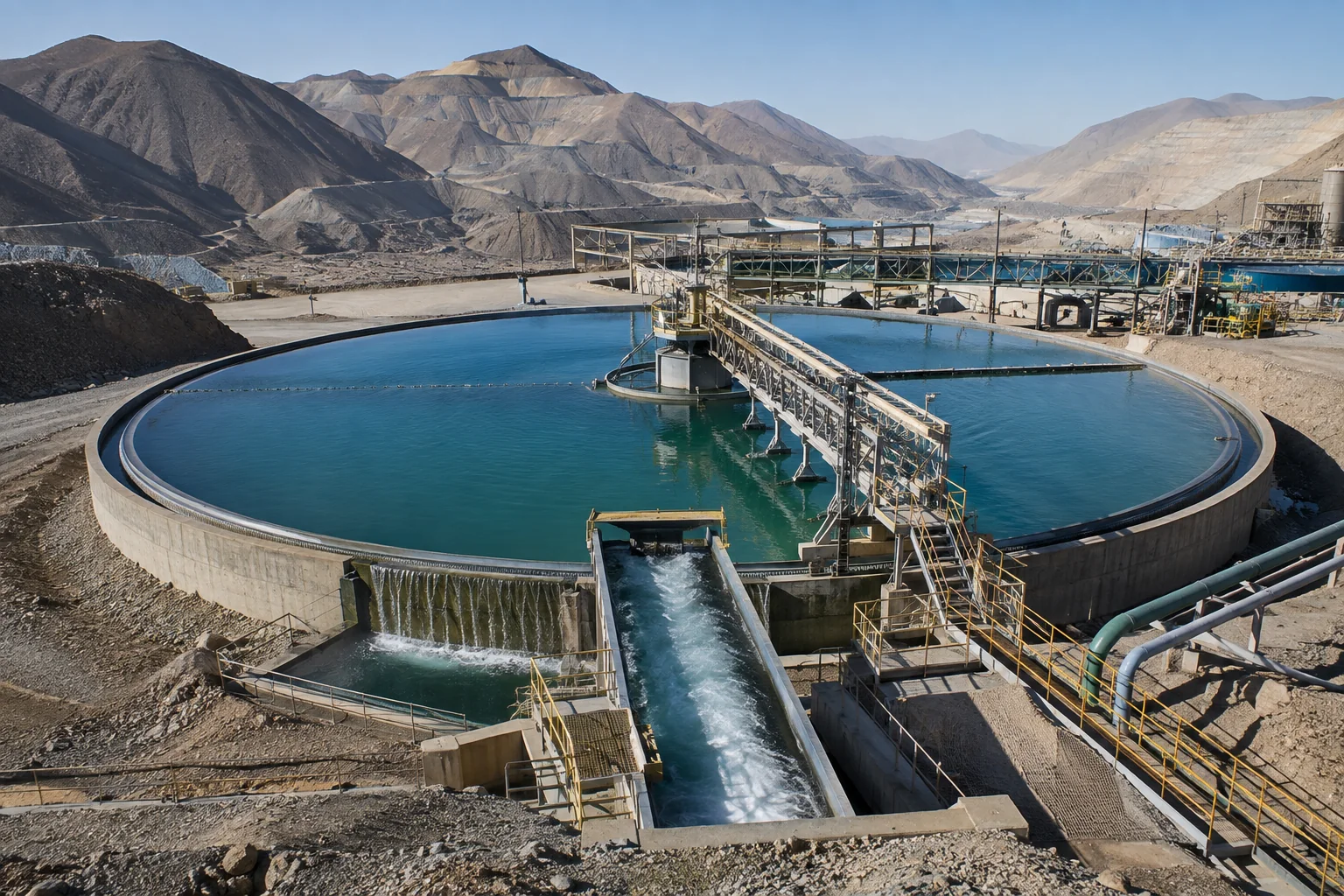
The thickener performance record is useful where filtration follows thickening, but approval at the first separator does not replace the filter trial. Record the two duties and costs separately.
Ask for a filtration-specific offer
Provide the equipment sheet, media, feed analyses, benchmark curve, intended trial quantity and destination with the iron-ore APAM sample enquiry. Ask the supplier to explain the proposed molecular and anionic profiles.
Qualify the exact code and preparation procedure. Keep retained material for a first-shipment check and obtain approval for substitutions. Do not convert an ore-industry application label into a guaranteed cake-moisture claim without plant evidence.